
Bone grafting is a critical foundation for successful dental implant treatment. At Stone Surgical Arts, we specialize in advanced bone grafting procedures designed to restore lost jawbone, strengthen oral structures, and create a stable base for long-term implant success. Whether bone loss has occurred due to tooth loss, periodontal disease, or trauma, modern grafting techniques allow us to rebuild the jaw safely and predictably.
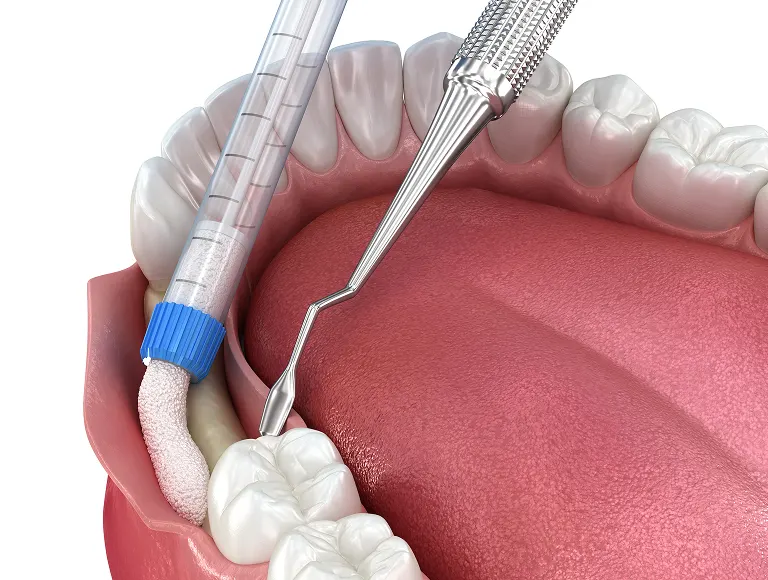
Bone grafting is a surgical procedure that rebuilds or preserves jawbone by adding grafting material to areas where bone has deteriorated or is insufficient. This added bone integrates with your natural jawbone over time, increasing volume and density so it can properly support dental implants or maintain facial structure.
Jawbone loss is common after tooth extraction because the bone no longer receives stimulation from the tooth root. Without intervention, this loss can compromise implant placement, facial appearance, and overall oral health.
Dental implants require adequate bone volume and density to remain stable and successful. If insufficient bone is present, implants may fail or be impossible to place without grafting. Bone grafting allows patients who were once considered poor candidates for implants to achieve long-lasting, functional results.
In addition to implant support, bone grafting helps:

At Stone Surgical Arts, we customize each bone grafting procedure based on your anatomy, goals, and treatment plan.
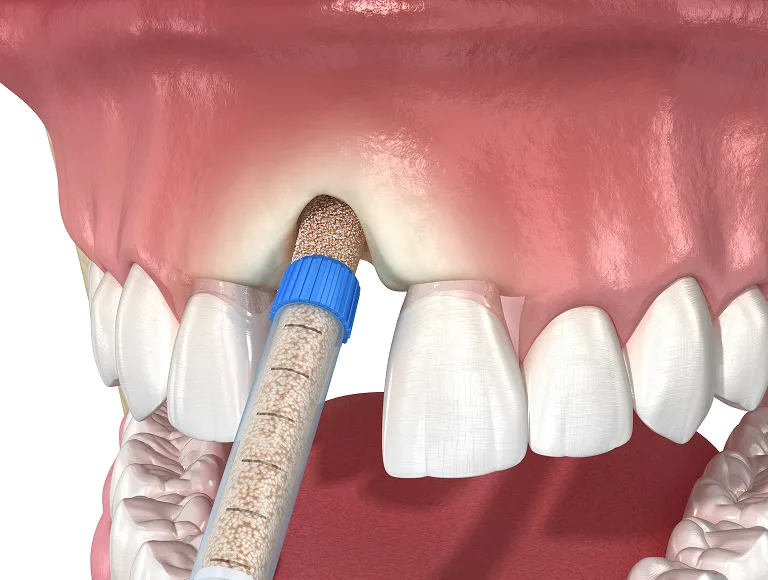
Performed immediately after tooth extraction to prevent bone collapse. Grafting material is placed into the empty socket to preserve bone volume for future implants.
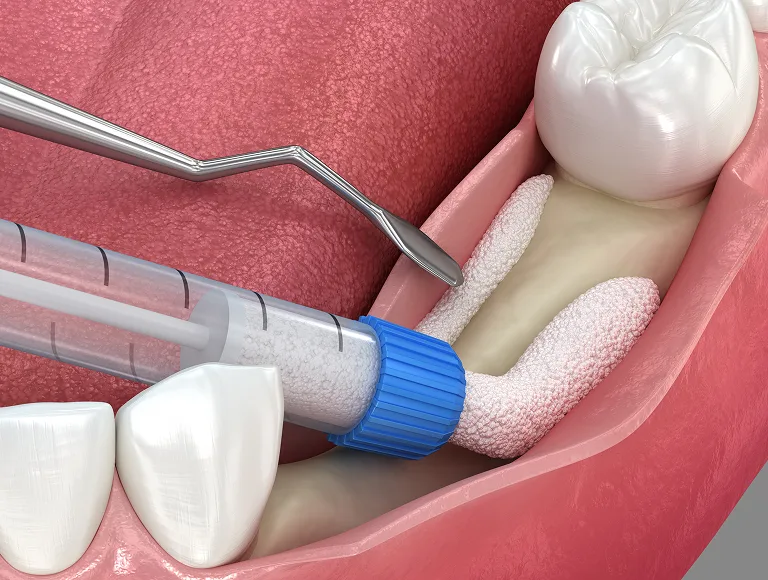
Used when the jawbone has narrowed or deteriorated over time. This procedure rebuilds the width and height of the jaw ridge, creating a solid foundation for implants.
When placing implants in the upper back jaw, insufficient bone height may exist near the sinus cavity. A sinus lift gently raises the sinus membrane and adds bone beneath it, allowing for secure implant placement.
In cases of severe bone loss, a larger block of bone may be grafted to rebuild significant structural deficiencies.
Several types of grafting materials may be used, depending on your needs:
Each option is carefully selected to ensure biocompatibility, safety, and optimal integration.
Your treatment begins with a comprehensive consultation and advanced 3D imaging to evaluate bone quality and volume. Using this data, we create a precise surgical plan tailored to your anatomy.
The grafting procedure is performed with meticulous care, prioritizing comfort and healing. Over the following months, your body naturally replaces and integrates the graft material with your own bone through a process called regeneration. Once healing is complete, the area is ready for implant placement or further restorative treatment.
Most patients experience mild swelling or discomfort following bone grafting, which is easily managed with prescribed medications and post-operative care instructions. Healing time varies depending on the size and location of the graft, but typically ranges from 3 to 6 months.
During this period, the graft becomes a permanent part of your jaw, providing a stable foundation for future dental implants.

You may benefit from bone grafting if you:
Thanks to modern techniques, even patients with advanced bone loss often qualify for grafting and implant restoration.
Stone Surgical Arts is known for precision-driven surgical care and advanced implant solutions. Our expertise in bone regeneration allows us to treat even complex cases with confidence and predictability. We combine cutting-edge imaging, minimally invasive techniques, and a patient-first approach to ensure exceptional outcomes.
Our focus is not only on rebuilding bone—but on restoring long-term oral health, function, and confidence.

one grafting is more than a preparatory step—it’s an investment in the future of your smile. By rebuilding lost bone, we create the stability needed for successful implants and lasting dental health.
If you’ve been told you lack enough bone for dental implants, or if you’re planning tooth replacement, Stone Surgical Arts can help. Schedule a consultation today to learn how bone grafting can restore strength, structure, and confidence to your smile.