

Dental implants are one of the most advanced and reliable solutions for replacing missing teeth. Below are answers to some of the most common questions patients have about implant treatment at Stone Surgical Arts.
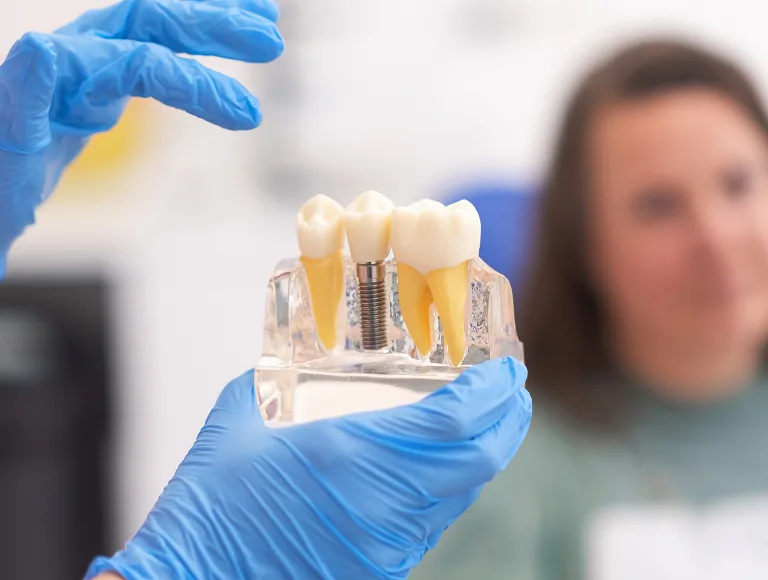
Dental implants are small titanium posts surgically placed into the jawbone to replace missing tooth roots. Once healed, they support crowns, bridges, or full-arch restorations that look, feel, and function like natural teeth.
With proper care and regular dental visits, dental implants can last decades—and often a lifetime. Their longevity depends on good oral hygiene, overall health, and avoiding habits such as smoking or teeth grinding.
Most patients report minimal discomfort during and after implant surgery. The procedure is performed using local anesthesia or sedation, and post-operative discomfort is typically manageable with medication and proper aftercare.
The full implant process varies by patient but typically takes several months. This allows time for healing and osseointegration, where the implant bonds with the jawbone. Some cases may allow for temporary or same-day restorations.
Most healthy adults are candidates for dental implants. Adequate jawbone, healthy gums, and good overall health are important factors. If bone loss is present, procedures such as bone grafting may make implants possible.
Osseointegration is the process in which the implant fuses with the surrounding jawbone. This creates a stable foundation for the final restoration and is essential for long-term implant success.
Dental implants have a very high success rate, but failure can occur in rare cases. Factors such as smoking, poor oral hygiene, uncontrolled medical conditions, or infection can increase risk. Proper planning and aftercare greatly reduce complications.
Implants should be cared for like natural teeth. This includes daily brushing and flossing, routine professional cleanings, and regular dental checkups to monitor implant health and surrounding tissues.
Dental implants provide a fixed, stable solution that does not slip or shift. They help preserve jawbone, protect facial structure, improve chewing ability, and do not require altering adjacent teeth like traditional bridges.
After implant surgery, patients follow a healing and recovery period while the implant integrates with the bone. Follow-up visits ensure proper healing before the final crown or restoration is placed, completing the treatment.
Dental implants offer a predictable, long-term solution for missing teeth when planned and performed by experienced surgical professionals. At Stone Surgical Arts, we prioritize precision, comfort, and long-term success at every stage of treatment.
Contact Stone Surgical Arts today to schedule a consultation and learn more about whether dental implants are right for you.